• Fortalece a pele e reduz as linhas de expressão. • Protege o futuro da pele. • Poderosa proteção antioxidante. • Embalagem inovadora de alta eficiência.
• Intensifica a hidratação para dar volume à pele. • Age em múltiplos níveis graças às suas moléculas de tamanhos variados.
O poder da Vitamina C
Ácido Hialurônico de Dupla Ação
• Fortalece a pele e reduz as linhas de expressão. • Protege o futuro da pele. • Poderosa proteção antioxidante. • Embalagem inovadora de alta eficiência.
O poder da Vitamina C
• Intensifica a hidratação para dar volume à pele. • Age em múltiplos níveis graças às suas moléculas de tamanhos variados.
Ácido Hialurônico de Dupla Ação
Conheça os benefícios
Artistry Vitamina C + Ácido Hialurônico
Artistry Vitamina C + Ácido Hialurônico reduz visivelmente as principais linhas de expressão.
• Restaura a aparência para um visual mais jovem.
• Ajuda a prevenir as linhas de expressão causadas por fatores externos com a sua poderosa proteção antioxidante, devido à Vitamina C.
• Resultados visíveis em 30 dias.
Diferenciais
Artistry Vitamina C + Ácido Hialurônico
• Acrescenta um efeito excepcional de redução das linhas de expressão e proteção antioxidante à sua rotina de beleza.
• Contém a primeira tampa ativadora da Artistry™ que preserva a pureza e o poder da vitamina C 100% pura.
• Contém exclusivo extrato de acerola da Fazenda Nutrilite, rico emVitamina C.
Saiba Mais
Dermatologista Dr. Amilton Macedo fala sobre os benefícios da Vitamina C e do ácido Hialurônico
Conheça o Tratamento Facial Intensivo com Vitamina C + Ácido Hialurônico da Artistry
Confira o passo a passo de como usar o Vitamina C + HA da Artistry
Veja o poder antioxidante da Vitamina C + Ácido Hialurônico
Você sabe como surgem as linhas de expressão?
Conheça os 3 principais fatores que contribuem para o surgimento dessas linhas:
1.Expressões faciais: a ação constante, repetitiva e inevitável dos seus músculos faciais, por exemplo, ao sorrir, piscar e franzir a testa.
2.Perda de volume: com o tempo, a pele perde sua habilidade natural de manter todo o seu volume interno e hidratação, diminuindo sua suavidade e elasticidade.
3.Oxidação da pele: as substâncias antioxidantes são essenciais para combater este mal causado por diversos fatores externos.
O lançamento mais esperado da linha Artistry chegou
Compre agora o Artistry Vitamina C + HA por:
Artistry - Acreditamos que a beleza é viva, energética e revigorante
É a sua pele respirando a alegria de viver uma vida saudável e equilibrada com um profundo senso de bem-estar.
A Artistry™ nasceu do amor pela beleza e pelo bem-estar. Foi fundada em 1950 por Edith Rehnborg, uma pioneira entre as mulheres empreendedoras, e o seu marido Carl Rehnborg, fundador da Nutrilite™. Combinando o melhor da beleza, da ciência e da nutrição, eles queriam oferecer produtos inovadores de beleza e cuidados com a pele.
Uma exploradora do mundo, Edith se inspirou nas mulheres ao redor do mundo. A sua missão era oferecer produtos de beleza que atendessem às necessidades específicas das mulheres, de forma que elas pudessem descobrir e celebrar a sua beleza única. Por isso, foram criados cosméticos que combinam o melhor da ciência e da natureza com soluções exclusivas para você.
Whether in the form of a fizzy drink or flavored lozenges, cold and flu preventative supplements almost always highlight vitamin C as one of their key ingredients. So, what's so magical about vitamin C? Also known as ascorbic acid, vitamin C is critical to living healthily. Since the human body cannot spontaneously generate this nutrient, vitamin C must instead be absorbed from outside sources, such as vitamin supplements or foods that are naturally rich in it.
Commonly found in cold and flu preventative supplements, vitamin C strengthens and speeds up immune system functionality. Though research does not indicate that vitamin C intake alone can prevent the onset of cold or flu, adequate daily intake may shorten the duration of an infection or lessen the severity of symptoms.
Vitamin C is crucial for the maintenance of well being. For example, it plays a role in wound healing and helps maintain many essential body tissues. It also acts as a potent antioxidant and can repair damage from free radicals, which are linked to aging effects, and disease vulnerability. Additionally, vitamin C can also prevent anemia, since it helps the body increase absorption of dietary iron, another vital mineral that the body cannot spontaneously create.
Foods that contain high concentrations of vitamin C have been linked with a lower risk of cardiovascular disease, like heart attack and stroke. Vitamin C can also increase levels of nitric oxide, a compound that widens blood vessels and, in turn, lowers blood pressure. In addition, regular intake of vitamin C, along with other vitamins, has been linked to a decreased risk for developing age-related cataracts, a leading cause of visual impairment in the United States.
Common Sources of Vitamin C
Vitamin C can be easily obtained through the many different foods, including:
Citrus fruits and juices (orange, grapefruit, lemon, lime and tangerine)
Berries
Melons
Mangoes
Kiwi
Tomato
Broccoli
Red peppers
Spinach
Squash
Potatoes
Cooking these foods may result in the loss of some of the vitamin content, so it is ideal to ingest them raw, either whole or juiced. Nowadays, there are also numerous packaged food products, like cereals, that have been enriched and fortified with vitamin C, so that the nutrient can be easily obtained.
Vitamin C may also be labeled as "L-ascorbic acid" in supplement form, and most over-the-counter multivitamins contain the recommended daily amount of the vitamin. While it is a good source when an individual is in need of a vitamin C boost, supplements are not meant to replace a diet rich in naturally derived vitamin C.
What Happens When You Have Too Much — or Too Little — Vitamin C?
Vitamin C is a water-soluble vitamin that can be easily flushed out of the body via urination when it is not needed. Therefore, if the main source of vitamin C is from naturally occurring foods, it is near-impossible for excess vitamin C to produce side effects. However, taking excessive concentrated vitamin C supplements may lead to diarrhea or stomach upset.
Since vitamin C-rich foods are so readily available nowadays, symptoms of inadequate vitamin C intake are also rare in the United States. However, malnourished individuals can experience symptoms of vitamin C deficiency over time, including:
Weakness
Fatigue
Anemia
Easy bruising
Joint pain
Skin breakdown
Weakened tooth enamel
Gum inflammation
Severe vitamin C deficiency is referred to as scurvy. Scurvy can be easily treated with increased dietary or supplemental vitamin C. Since vitamin C is crucial in the detoxification of the body, a lack of vitamin C can compromise the immune system and make an individual more susceptible to diseases and infections. Individuals with insufficient vitamin C may find that it takes longer than usual to recover from a cold or a physical wound.
Daily Dosage Recommendations:
The daily dosage recommendation for vitamin C is different for everyone, depending on factors such as gender, age, lifestyle and current health condition. The recommended daily dosage for vitamin C is at least 75 mg daily for women and 90 mg for men. Since people who are pregnant, breast feeding, smoking or using oral contraceptives have a lower blood level of vitamin C than others, larger doses of vitamin C may be needed to achieve optimal results in these individuals. Those who have prior or current medical conditions may also require bigger or smaller dosage levels, as recommended by their healthcare providers.
Resource Links:
"Vitamin C" via MedlinePlus
"Vitamin C and Infections" via MDPI
"Extra Dose of Vitamin C Based on a Daily Supplementation Shortens the Common Cold: A Meta-Analysis of 9 Randomized Controlled Trials" via Hindawi, BioMed Research International
"Vitamin C" via National Institutes of Health
"Scurvy" via U.S. Department of Health & Human Services, National Institutes of Health
"Dietary intake and blood concentrations of antioxidants and the risk of cardiovascular disease, total cancer, and all-cause mortality: a systematic review and dose-response meta-analysis of prospective studies" via The American Journal of Clinical Nutrition
"Dietary vitamin and carotenoid intake and risk of age-related cataract" via The American Journal of Clinical Nutrition
"Cardiovascular System" via Department of Anatomy, Seoul National University College of Medicine (via Springer)
Selama ini, banyak orang beranggapan bahwa sumber terbaik vitamin C adalah jeruk. Padahal, jeruk bukanlah buah yang paling banyak mengandung vitamin C. Masih ada buah-buahan lain dengan kandungan vitamin C yang jauh lebih berlimpah. Beberapa di antaranya mungkin tidak Anda duga. Apa saja contohnya?
Beragam buah yang mengandung vitamin C
Vitamin C merupakan salah satu vitamin penting yang dibutuhkan oleh tubuh. Fungsi utama vitamin C adalah mendukung pertumbuhan dan perbaikan sel, meningkatkan daya tahan tubuh, serta menjaga kesehatan kulit.
Zat gizi bernama lain asam askorbat ini juga membantu mencegah anemia defisiensi dengan cara meningkatkan penyerapan zat besi dari makanan. Sebagai antioksidan, vitamin C juga melindungi berbagai sel tubuh dari kerusakan akibat radikal bebas.
Mengingat fungsinya yang penting ini, tak heran jika tubuh Anda membutuhkan asupan vitamin C dari makanan. Salah satu sumber terbaik vitamin ini adalah buah-buahan. Berikut beberapa jenis buah dengan kandungan vitamin C yang paling tinggi.
1. Jambu biji
Jika Anda mencari buah yang mengandung vitamin C, jambu biji pasti ada di deretan teratas. Satu buah jambu biji ukuran sedang mengandung lebih dari 200 miligram asam askorbat, jauh lebih tinggi dibandingkan jumlah yang ada pada jeruk.
Selain vitamin C, jambu biji juga kaya akan serat. Berdasarkan sebuah penelitian dalam Journal of Clinical and Diagnostic Research, zat gizi bermanfaat dalam jambu biji dapat membantu menurunkan tekanan darah dan kolesterol.
2. Pepaya
Pepaya biasanya dikenal sebagai buah untuk melancarkan BAB. Namun, tahukah Anda bahwa buah berwarna cerah ini juga kaya akan vitamin C? Kandungan vitamin C pada setengah buah pepaya adalah sebesar 94 miligram, sedikit lebih tinggi daripada jeruk.
Buah pepaya juga mengandung serat, vitamin A, vitamin B kompleks (terutama vitamin B6, B2, dan B1), kalium, dan kalsium. Berkat kandungan ini, pepaya dapat membantu metabolisme tubuh, mengontrol tekanan darah, dan menjaga kesehatan mata.
3. Kiwi
Buah lainnya yang mengandung vitamin C dalam jumlah tinggi adalah kiwi. Satu buah kiwi berukuran sedang mengandung vitamin C sebanyak 64 miligram, atau setara dengan 71% kebutuhan orang dewasa dalam sehari.
Kiwi juga mengandung vitamin A, E, K, serta berbagai jenis mineral. Uniknya lagi, buah dengan kulit 'berbulu' ini mengandung asam lemak omega-3, zat gizi yang biasanya ditemukan pada ikan berlemak seperti salmon.
4. Jeruk
Sebagai buah yang dikenal mampu melawan penyakit, kandungan gizi jeruk memang tidak main-main. Satu buah jeruk ukuran sedang mengandung vitamin C sebanyak 82,7 miligram. Jumlah ini dapat mencukupi 91% kebutuhan orang dewasa dalam sehari.
Jeruk juga mengandung banyak vitamin dan mineral, terutama vitamin B1, B9 (folat), dan kalium. Dengan mengonsumsi jeruk, tubuh Anda pun bisa memperoleh antioksidan berupa fenol dan likopen.
5. Stroberi
Setengah gelas (125 gram) stroberi mengandung 52 mg vitamin C. Sedikit di bawah kandungan vitamin C dalam jeruk, tapi hal ini sama sekali tidak mengurangi manfaat stroberi bagi kesehatan.
Selain mengandung vitamin C, stroberi juga termasuk buah yang kaya antioksidan. Beberapa penelitian menunjukkan bahwa antioksidan pada stroberi mungkin berpotensi menurunkan risiko kanker dan penyakit saraf serta memperlambat penuaan.
6. Nanas
Apabila Anda mulai bosan dengan jeruk, cobalah menggantinya dengan nanas. Cukup dengan mengonsumsi satu potong besar nanas, Anda bisa memperoleh 79,3 miligram vitamin C. Jumlah ini dapat memenuhi 88% kebutuhan vitamin C Anda dalam satu hari.
Nanas juga terkenal dengan kandungan bromelain yang ada di dalamnya. Bromelain adalah enzim pencernaan yang membantu memecah protein dalam makanan dan mengurangi kembung. Enzim ini juga dapat berfungsi sebagai zat antiradang.
7. Mangga
Meskipun tak sebanyak buah-buahan lain yang sudah disebutkan, kandungan vitamin C pada mangga tetap patut diperhitungkan. Mengonsumsi setengah buah mangga dapat memberikan asupan vitamin C sebesar 60 miligram, atau setara 66% kebutuhan harian.
Mangga juga kaya akan serat dan fitokimia, seperti karotenoid dan polifenol. Sejumlah penelitian menyebutkan bahwa senyawa antioksidan polifenol yang ada dalam buah mangga berpotensi menurunkan risikokanker payudara dan kanker usus besar.
8. Blackcurrant
Blackcurrant umumnya lebih dikenal sebagai rasa minuman. Padahal, blackcurrant segar mengandung vitamin C dalam jumlah yang cukup tinggi, yakni 101 miligram untuk setiap satu cangkir buah (56 gram).
Buah ini juga mengandung senyawa yang disebut antosianin. Antosianin adalah pigmen pemberi warna gelap pada blackcurrant sekaligus antioksidan yang berpotensi menurunkan risiko berbagai penyakit kronis, seperti penyakit jantung dan kanker.
9. Lemon
Kemiripan lemon dan buah jeruk tidak terbatas pada rasanya saja, tapi juga kandungan vitamin C-nya. Sebuah lemon utuh lengkap dengan kulitnya mengandung 83 miligram vitamin C, atau setara dengan 92% kebutuhan orang dewasa dalam sehari.
Seperti buah-buahan sitrus lainnya, lemon juga mengandung antioksidan, serat, dan zat fitokimia. Sejumlah penelitian telah membuktikan bahwa ketiga zat tersebut dapat memelihara kesehatan dan menurunkan risiko penyakit jantung.
Banyak orang memilih meminum suplemen untuk memenuhi kebutuhan vitamin C-nya. Padahal, salah satu cara paling mudah untuk memenuhi kebutuhan vitamin ini adalah dengan mengonsumsi buah yang banyak mengandung vitamin C.
Selain jeruk, Anda kini memiliki pilihan buah yang lebih beragam. Supaya manfaatnya lebih optimal, cobalah mengonsumsi buah-buahan di atas secara berselang-seling. Dengan begitu, Anda bisa memperoleh kandungan gizi dari masing-masing jenis buah.
Hello Health Group tidak menyediakan saran medis, diagnosis, atau perawatan.
Data Komposisi Pangan Indonesia (Jambu biji). (2018). Retrieved 3 March 2021, from https://www.panganku.org/id-ID/view
Data Komposisi Pangan Indonesia (Pepaya, segar). (2018). Retrieved 3 March 2021, from https://www.panganku.org/id-ID/view
Data Komposisi Pangan Indonesia (Jeruk manis, segar). (2018). Retrieved 3 March 2021, from https://www.panganku.org/id-ID/view
Oranges, raw, navels. (2019). Retrieved 3 March 2021, from https://fdc.nal.usda.gov/fdc-app.html#/food-details/746771/nutrients
Strawberries, raw. (2019). Retrieved 3 March 2021, from https://fdc.nal.usda.gov/fdc-app.html#/food-details/167762/nutrients
Pineapple, raw, all varieties. (2019). Retrieved 3 March 2021, from https://fdc.nal.usda.gov/fdc-app.html#/food-details/169124/nutrients
Mangos, raw. (2019). Retrieved 3 March 2021, from https://fdc.nal.usda.gov/fdc-app.html#/food-details/169910/nutrients
Lemon juice, raw. (2019). Retrieved 3 March 2021, from https://fdc.nal.usda.gov/fdc-app.html#/food-details/167747/nutrients
Vitamin C. (2019). Retrieved 3 March 2021, from https://medlineplus.gov/ency/article/002404.htm
Kumari, S., Rakavi, R., & Mangaraj, M. (2016). Effect of Guava in Blood Glucose and Lipid Profile in Healthy Human Subjects: A Randomized Controlled Study. Journal of clinical and diagnostic research : JCDR, 10(9), BC04–BC07. https://doi.org/10.7860/JCDR/2016/21291.8425
Yazdizadeh Shotorbani, N., Jamei, R., & Heidari, R. (2013). Antioxidant activities of two sweet pepper Capsicum annuum L. varieties phenolic extracts and the effects of thermal treatment. Avicenna journal of phytomedicine, 3(1), 25–34.
Lv, X., Zhao, S., Ning, Z., Zeng, H., Shu, Y., Tao, O., Xiao, C., Lu, C., & Liu, Y. (2015). Citrus fruits as a treasure trove of active natural metabolites that potentially provide benefits for human health. Chemistry Central journal, 9, 68. https://doi.org/10.1186/s13065-015-0145-9
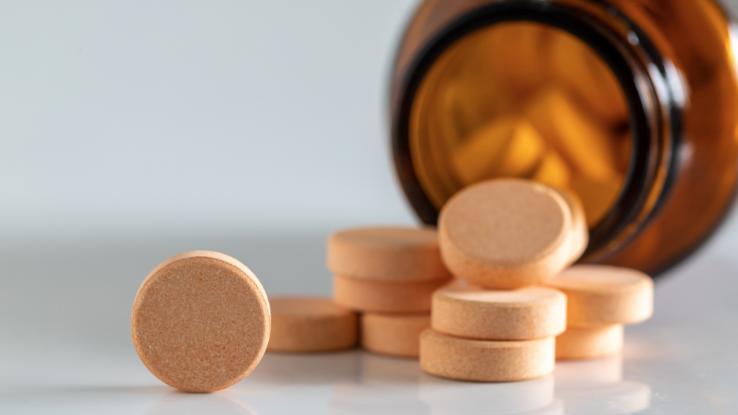
Health Aid Vitamin C (orange) 1000mg Effervescent Tablets 20's are dissolvable refreshing, fruit flavoured tablets which make up into a drink containing a full gram of Vitamin C in a readily absorbable form. This product provides an alternative way of taking supplements especially for those who have difficulty in swallowing tablets.
What Are Vitamin C 1000mg Effervescent Tablets For?
May help maintain normal growth and development.
May improve the formation of collagen and help in tissue repair
May help enhance brain functioning
May work as an antioxidant and protect against free radical damage
May help maintain healthy hair
May improve the symptoms of gingivitis (inflammation of the gums), bleeding gums, rough, dry, scaly skin
May enhance the healing process
May help reduce swelling and painful joints
Who Are Vitamin C 1000mg Effervscent Tablets For?
Those who need to increase their immunity function
Those who wish to maintain healthy bones, nails, skin, hair and strong blood vessels
Those who are exposed to free radical damage.
Those who require natural antihistamine.
Those with sensitive stomachs
Dosage One Vitamin C Effervescent tablet daily, to be dissolved in a glass of water.
Excessive consumption of vitamin C 100omg may produce a laxative effect.
Each Vitamin C 1000mg Effervescent tablet (Blackcurrant Flavour) contains (average): Vitamin C 1000mg. Ingredients: Vitamin C (ascorbic acid), Acidity Regulator (citric acid anhydrous, sodium bicarbonate), Sweetener (sorbitol, mannitol, sodium saccharin), Bulking Agent (calcium carbonate, polyethylene glycol), Flavour Enhancer (blackcurrant flavour).
6 Questions You Have About Biotin Supplements—Answered
Although it's renowned for its role in the development of healthy hair and nails, the health benefits of biotin—an important part of the B complex group of vitamins—extend beyond beauty. Here's why you might consider taking a biotin supplement.
1/6
Photo: Shutterstock
1. What Are Biotin Supplements?
It's surprising that biotin and pantothenic acid—two members of the vitamin B family—don't get more attention. Biotin (Vitamin H) and pantothenic acid (Vitamin B5) work together at the most basic level to produce enzymes that trigger many bodily functions. Biotin promotes healthy hair and nails and helps the body use carbohydrates, fats and protein. Pantothenic acid appears to play a valuable role in how the body deals with stress; it promotes healthy function of the central nervous system, helps the body use carbohydrates, fats and protein. It also may reduce cholesterol and speed up wound healing.
Biotin is found in liver, soy products, nuts, oatmeal, rice, barley, legumes, cauliflower, egg yolks, milk and whole wheat. Organ meats, fish, poultry, whole grains, yogurt and legumes are the best sources of pantothenic acid.
These eight vitamins are a total waste of money—and could even be dangerous.
ⓘ
2/6
Photo: Shutterstock
2. What Do Biotin Supplements Do?
Both biotin and pantothenic acid are involved in the breakdown of carbohydrates, fats and protein from foods and in the production of enzymes. Biotin plays a special role in helping the body use glucose, its basic fuel and it promotes healthy nails and hair. The body needs pantothenic acid to maintain proper communication between the brain and nervous system and to produce certain stress hormones.
Biotin may improve the quality of weak and brittle fingernails and may help slow hair loss if you have biotin deficiency. It is often found in hair and skin-care products. Research suggests that the overproduction of stress hormones during long periods of emotional upset, depression or anxiety increases the need for pantothenic acid, which is used to manufacture these hormones.
According to a study from Switzerland, biotin can increase the thickness of nails by an average of 25 per cent. Six months of taking biotin supplements improved brittle nails in two-thirds of the study's participants.
Biotin helps keep hair healthy, but—except in rare cases of biotin deficiency—it can't prevent baldness, as some claim. Nor can pantothenic acid forestall the normal greying of hair that occurs with age.
Here are 3 Shocking Things Your Nails Say About Your Health.
3/6
Photo: Shutterstock
3. What Are the Other Benefits of Biotin Supplements?
In high doses, biotin may help people with diabetes, increasing the body's response to insulin so blood sugar (glucose) levels stay low. In addition, it may protect against the nerve damage that sometimes occurs in diabetes (called diabetic neuropathy). Pantothenic acid has been shown to reduce cholesterol and triglyceride levels. It is used to help treat inflammatory conditions such as asthma and dermatitis, to increase stamina and athletic performance and to enhance wound healing.
Here are six of the best supplements to take after surgery.
4/6
Photo: Shutterstock
4. Why Are Biotin Supplements Beneficial for Those Who Eat Processed Foods?
If you eat a lot of processed foods, you should consider taking a supplement with pantothenic acid, because this vitamin is easily destroyed during food processing. Bread and cereal, for example, contain half the pantothenic acid found in the original whole grains. Even more pantothenic acid (70 per cent) is lost when poultry or fish is frozen and thawed or when beans are canned (80 per cent).
Here are 9 Superfoods for a Healthy Gallbladder Diet.
5/6
Photo: Shutterstock
5. How Do I Take Biotin Supplements?
Most people will get enough biotin and pantothenic acid from a daily multivitamin or a B-complex supplement. Individual supplements are necessary only to treat a specific disorder. An adequate intake of pantothenic acid is 6 milligrams a day for men and 4 milligrams for women, increasing to 5 milligrams during pregnancy and 6 milligrams when breastfeeding. The figures for biotin are 30 micrograms a day for men and 25 for women, increasing to 30 micrograms during pregnancy and 35 micrograms when breastfeeding.
These vitamins can be found in tablets, capsules and creams. Multivitamins and B-complex vitamins usually include biotin (also called vitamin H) and pantothenic acid (also called vitamin B5), and both are also available as individual supplements. The main form of biotin is D-biotin. Pantothenic acid comes in two forms: pantethine and calcium pantothenate. The latter is suitable for most purposes and is less expensive than pantethine.
For hair and nails: take 1000 to 1200 micrograms of biotin a day.
For diabetes: talk with your doctor about taking high doses of biotin to help or even prevent diabetic neuropathy. Diabetic neuropathy improvements may be noticed in 1 to 3 months.
For wound healing: dexpanthenol cream 5 per cent once or twice a day. To lower cholesterol take 300 milligrams of pantethine three times a day.
In most cases, take individual supplements with meals. Take pantothenic acid with water after meals.
Possible side effects include diarrhea and fluid retention (as a result of 10 grams or more of pantothenic acid a day). Contact dermatitis can occur with topical forms of pantothenic acid. Very high doses of biotin (more than 8 milligrams a day) used to treat diabetes may alter insulin requirements.
6/6
Photo: Shutterstock
6. What Happens If You Take Too Little or Too Many Biotin Supplements?
Deficiencies of biotin or pantothenic acid are almost unknown in adults. However, eating raw egg whites over a prolonged period can prevent biotin being absorbed, leading to a rash and neurological problems. Long-term use of antibiotics, sulfa drugs or anti-seizure medications can lead to less than optimal levels of biotin while antibiotics and the oral contraceptive pill may increase your need for pantothenic acid.
There are no known serious adverse effects from high doses of biotin or pantothenic acid. Some people report diarrhea when taking doses of 10 grams a day or more of pantothenic acid.
Check out 9 Signs That Could Mean You're Not Getting Enough Vitamin D.
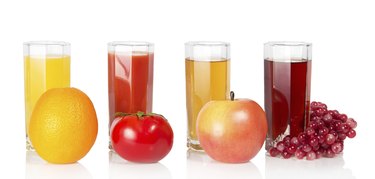
If you consume plenty of oranges and tomatoes, you won't need supplements.
Image Credit: Laboko/iStock/Getty Images
Vitamin C, or ascorbic acid, is a water-soluble vitamin that has several physiological effects on the body. Found naturally in citrus fruits, green vegetables and tomatoes, vitamin C helps form cartilage, bone and collagen. Vitamin C also has antioxidant properties, protecting cells from free radicals. Vitamin C is dispersed in the body's fluids when consumed through food or supplement form. Because excess intake of water-soluble vitamins is excreted through urine, some evidence suggests that time-released vitamin C is more advantageous to the body.
Water-soluble Vitamins
Water-soluble vitamins, including vitamin C and the B-vitamin family, are not stored in the body, as are fat-soluble vitamins. When consumed, these vitamins are spread out in fluids, and excess amounts are passed on through bodily waste. If the body receives enough vitamin C, any excess amount will quickly be excreted. Therefore, it's essential to meet your vitamin C needs daily, while consuming enough fat-soluble vitamins each day is less important.
Time-release Capsules
Time-release vitamin C capsules promote delayed and continual absorption throughout the day. These capsules are surrounded by a semi-permeable sugar coating, blended with fats and waxes. When swallowed, moisture from saliva causes the coating to slowly rupture and the vitamin C is continually delivered into the body's fluids over an extended period of time.
Evidence
A classic study, published in a 1969 edition of the "International Journal of Vitamin Research," investigated the effects of one particular variety of time-release vitamin C, known as the "Spansule" on 25 subjects over a three-day period, while 25 others were given non-sustained vitamin C capsules. Results showed that those given the time-release capsule demonstrated much better delivery of vitamin C into the body's tissues than those given the non-sustained capsule.
Vitamin C Tips
As a rule, you can best meet your vitamin C needs by consuming a variety of fresh fruits and vegetables every day. If you consume the Institute of Medicine's recommended 75 milligrams of vitamin C for women, or 90 milligrams for adult men, each day, excess vitamin C is unnecessary and potentially harmful. However, if you have trouble meeting your vitamin C needs, time-release capsules will provide the most benefit to your body. Excess vitamin C intake may result in kidney stones, so avoid consuming beyond the recommended daily dosage for your age and sex.
L-lysine is a type of amino acid that's important for the health and growth of livestock. It can also use to treat cold sores. This can find in high doses in supplements. But it can also find naturally through foods such as eggs, dairy products, cereal grains, soybeans, and peanuts. You should speak with your veterinarian before giving lysine to your animals or yourself. If you have any other medical conditions or are taking any medications. Side effects may include nausea and vomiting; consult your doctor if these symptoms persist or worsen after starting treatment with this.
This finds naturally through foods such as eggs, dairy products, cereal grains, soybeans, and peanuts. Before giving lysine treatment to animals or humans, you should consult your veterinarian. Lysine can cause nausea and vomiting. Consult a doctor if any of these symptoms persist after treatment.
L-lysine can find in supplements. But it's also naturally present through foods such as eggs, dairy products, cereal grains, soybeans, and peanuts. You should speak with your veterinarian before giving lysine to your animals or yourself. If you have any other medical conditions or are taking any medications because side effects may include nausea and vomiting; consult a doctor if these symptoms persist or worsen after starting treatment with lysine.
What uses is l-lysine useful for?
This is an important component of your immune system. It may improve athletic performance. Extra lysine may be beneficial for people with certain conditions such as diabetes and herpes simplex virus (HSV). In this article, we will explore what is this. Its uses both for humans and livestock as well as any side effects. You should be aware of it before supplementing or using it therapeutically. This post writes collaboratively by a team of medical professionals with expertise in different areas. Who cares about increasing global awareness when it comes to your health and wellbeing.
It is an essential amino acid required for building proteins (e.g., collagen). That use throughout the body, particularly in the skin, tendons, bones, cartilage, and muscle tissue. It also plays a critical role in supporting healthy immune function by facilitating normal cell growth as well as being necessary for synthesizing carnitine which helps transport fatty acids into mitochondria where they can be burned off for energy production while regulating cholesterol levels and blood pressure [R]. Lysine deficiencies link with cardiovascular disease such as atherosclerosis due to its role in maintaining proper lipid profiles within plasma membranes of cells responsible for transporting lipids/cholesterol inside of the bloodstream. It can help reduce the risk of developing cardiovascular disease by transporting these fats correctly. L-lysine is also needed to synthesize carnitine, which facilitates the transportation of fatty acids into mitochondria for energy production as well as regulating cholesterol levels and blood pressure [R].
It's uses:
It plays a role in protein synthesis. Also in carbohydrate metabolism, maintaining a proper nitrogen balance, wound healing, immune function as part of the citrullinated proteins family. Cardiovascular health by lowering homocysteine levels to help prevent heart disease. May interfere with certain medications Interactions may occur. If taken alongside corticosteroids or thyroxin it doses should not exceed 2000mg/day Deficiency risks include stunted growth and weight loss. So, you need good animal feed manufacturers for better products.
L-lysine side effects:
It has a number of uses, including prevention of poultry colds and promotion of growth. It can use to treat chickens suffering from herpes virus disease. While lysine has side effects for some livestock animals (including hyperactivity), it can lead to a deficiency in vitamin A. Supplementing this amino acid should thus include an appropriate level of supplementation of vitamins A and D as well. Before adding this to your animal's feed, you must consider what its current diet consists of and whether its digestive system can handle supplemental L-lysine.
Lysine should only give to monogastric, including chickens, turkeys, and young pigs. Some cats may be sensitive to lysine and experience symptoms such as facial swelling, diarrhea, vomiting, nausea, persistent scratching, and seizures. Lysine can also react with vitamins and other supplements if added in large doses. Immediately take your cat to the veterinarian if it starts vomiting or choking its stomach. This could indicate an upset stomach.
You must take into account all of your animal's current dietary needs when adding this to the diet. Because it not well absorbs by ruminants (like cows and goats) or horses. Although it's obvious that the information of animal feed manufacturers presents differently. The second article does include some of the second (recommended) sources listed, while still failing to include a majority of them while also including some irrelevant information.
Does it help with anxiety?
In a randomized, double-blind, placebo-controlled trial involving 40 patients with generalized anxiety disorder. It finds that those receiving 1.5 g/day of L-lysine over six weeks had significantly lower scores on the Hamilton Anxiety Rating Scale (HAM-A) than those receiving placebo.
The study recruited patients with generalized anxiety disorder. But there has been some success in using this to treat panic attacks.
Lysine, an essential amino acid, cannot make by the body. It must consume through the diet. The neurotransmitter serotonin needs lysine in order to produce proteins. So increased levels of lysine may lead to greater production of serotonin, leading to improved mood. Additionally, lysine competes with arginine for absorption into the cells that line the walls of blood vessels; a high intake of arginine causes widening of these blood vessels. Because elevated demand for serotonin can cause narrowing of certain blood vessels (see below), it is necessary to decrease competing demands.
Patients in the study give either 1.5 g/day of its hydrochloride or a placebo for six weeks. The HAM-A use to measure progress. Also, after two weeks, patients taking this report have a significantly greater improvement in symptoms than those receiving placebo. Another early indicator of efficacy was a decreased heart rate relative to baseline in the lysine group compared with an increased heart rate in the placebo group at week 4, however, this difference disappeared by week 6 when no significant difference existed between the groups. In comparison to other amino acids, L-lysine finds to be somewhat milder than arginine even at high doses and is therefore preferable when promoting mood is the goal.
What's the difference between L-lysine & lysine?
L lysine differs from lysine because Lysine is an essential amino acid in humans, while it can find in racemic mixtures of lysine. Lysine, on the other hand, is an a-amino acid. This a-carbon is in the S structure.
The main difference between these two molecules is in their stereochemistry and specifically optical rotation. We can compare them by looking at the chemical structure of each molecule. Lysine is an amino acid with a structure that contains a secondary amine group, one carboxylic acid group, an α-carbon (where the tail attaches to the rest of the molecule), and an R-group which has no charge. It also contains two chiral carbons or centers which label as "α-" carbon 1″ and C-2″, these sometimes refer to as asymmetric carbon atoms even though they do not have any asymmetric hydrogen atoms attached to them.
On the other hand, L-lysine is one of the two forms in which lysine exists in nature. It creates when a hydrogen atom switches from one side chain to another at its α-carbon. This allows for one optical isomer of lysine, which has the same atomic composition but with opposite chirality in comparison to lysine.
Lysine does not have optical activity because it lacks a chiral center in its side chain. But in this molecule C-2″ exists in the S configuration. On the other hand lysine is an R-enantiomer, which means that there are two sets of chiral centers present within this amino acid, one set consists of the α-carbon 1″ and C-2″, whereas another set contains α -carbon 2and C-3″. So, do you use them? This is based on the largest animal feed manufacturers the feed they offer you.
Is it an anti-inflammatory?
We have previously reported that it suppresses the production of nitric oxide (NO) in murine RAW264.7 cells treated with lipopolysaccharide (LPS). Recent studies suggested that increased NO production is linked to the generation of proinflammatory mediators in several inflammation models in neurons, vascular endothelial cells, and skeletal muscle cells [1]. It has also been shown in RAW264.7 murine macrophages that inhibition of NO synthesis with L-nitro arginine methyl ester reduces iNOS expression and inflammatory cytokines such as TNFα [2]. We, therefore, tried to investigate whether l-lysine might suppress interleukin 6 (IL-6) production by inhibiting the expression of iNOS in LPS-induced macrophages.
2.73g/L of this was added to RAW264.7 cells growing in 12-well plates for 24 hours, and then 1mg/mL of potassium nitrate (KNO) was added to some wells and left untreated in others (negative and positive controls respectively). Cells treated with or without 10 ng/mL of LPS for 24 hours, after which cell culture supernatants collects and analyzed for IL-6 production by ELISA. KNO is an NO donor that can be cleaved into NO under acidic conditions [3]. As expected, the addition of lysine reduced the amount of IL-6 produced by RAW264.7 cells, even when LPS was present (Fig 1).
L-lysine reduced IL-6 production in cells treated with LPS but not alone (Fig 2). It also reduced TNFα production in RAW264.7 cells treated with LPS (fig 3), however, it had no effect on the expression of iNOS mRNA or protein expression at either a transcriptional or translational level. Thus lysine does not appear to inhibit IL-6 production through any mechanism involving iNOS expression/activity and NO inhibition.
Frequently Asked Questions for L-lysine:
Can I take l-lysine every day?
Most people can consume a daily intake of 3 grams (g), of lysine with no side effects. Increased intakes of lysine up to 10-15 grams per day can cause digestive problems such as diarrhea. nausea.
Can I take vitamin C and lysine together?
Interactions between your drug and other drugs There were no interactions between this (Vitamin C) and Vitamin C. However, this does not mean that there aren't interactions. Always consult your healthcare provider.
Does l-lysine cause hair loss?
L-lysine, which is found in hair's roots, is also responsible for shaping and enhancing the hair's volume. Hair loss can be caused by a deficiency in this. However, regular hair growth can be prevented by taking enough of the amino acid.
Is l-lysine good for the skin?
Lysine, one of the many supplements that has been shown to improve skin elasticity and collagen production, is one of the most effective. Healthy, firm skin can dramatically improve the appearance and severity of acne scarring. Lysine can also produce carnitine at cellular levels, which can help reduce acne.